
How SRD Grant Beneficiaries Can Make Micro-Investments That Grow
Living a life with only a grant payment is a waste of your precious life. You should be independent and use the Social Relief of Distress grant as temporary assistance. If you are a beneficiary of the SASSA SRD R370 grant and want to become independent, then this guide is for you.
I will share some tips, guides, and infographics that will help you start your business or find a job to live a better life. So, read my personal experience guide and get benefits from it.
Meanwhile, the South African Social Security Agency (SASSA) has announced the payment dates for this month. You need to go through a SASSA status check to get your payment date for the current month.
How Difficult is it to Do Micro-Investments with the SRD Grant?
Micro-investing with the SRD grant feels hard at first because the money is small. You need to cover your basic needs, so you have limited cash left.
However, you can still start with tiny steps. You can save a few rand each week and place it in a safe and low-cost option. You can also invest in small skills that help you earn more later.
The process needs patience because your growth will be slow in the beginning. But many people still do it because small actions add up over time. If you stay consistent, your micro-investment can grow.
Increasing Unemployment Rate in 2025
South Africa faces a very high unemployment rate in 2025. The current rate sits at 31.9%, and this number affects many families. Many people struggle to find stable jobs, and young people feel this pressure even more.
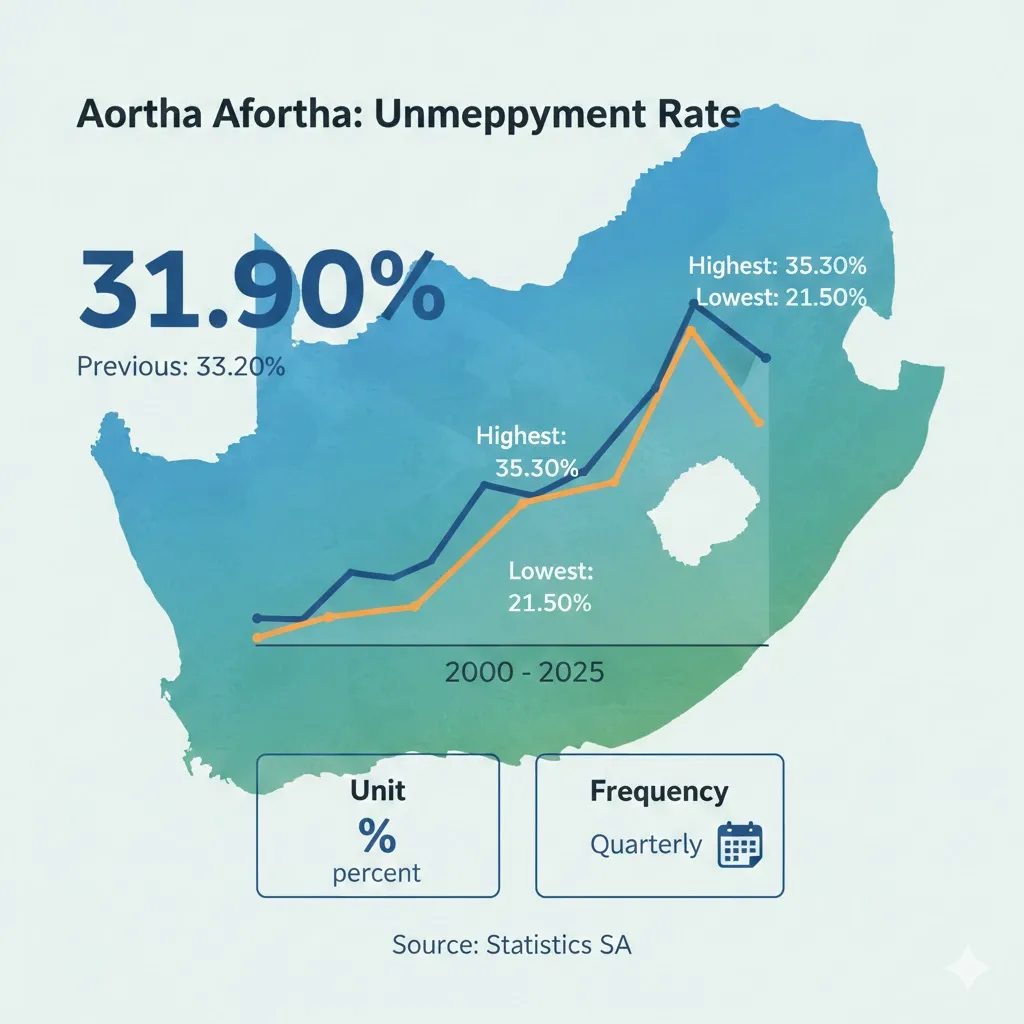
Companies also hire fewer workers because the economy grows slowly. This situation pushes more people to depend on the SRD grant for support.
However, the high rate also shows the need for new skills and small income ideas. Many people try part-time work, micro-jobs, or small online tasks to survive. The country needs stronger job creation to bring this number down.
How to Make Micro-Investments with SRD R370 Payment?
You can grow even with little money if you use the right plan. The SRD R370 grant may look too small, but it can still help you take your first step toward independence.
The idea is simple. You take a tiny amount from your monthly grant and put it into something that can grow your income. You also invest in your skills, your knowledge, and your personal growth. When you do this with discipline, your small steps slowly turn into real progress.
Below are eight practical micro-investment options that real SRD grant recipients use. Each option is simple, low-cost, and beginner-friendly. You can start with only a few rand and grow at your own pace.
1. Freelancing on Fiverr, Upwork, and Other Platforms
Freelancing is one of the best micro-investment options for people who want to earn online. You only need a phone or a basic laptop to start. You can offer simple services like logo design, basic editing, or short writing tasks.
Many beginners earn their first income by learning free skills on YouTube and then posting gigs online. You can use a small part of your SRD grant to buy data and learn new skills.
This small investment can help you earn in dollars, which pays better. When you grow your profile, you get more clients, and your income climbs step by step.
2. Content Writing for Blogs and Social Media
Content writing is a simple skill that anyone can learn. You can write product descriptions, blog posts, captions, social media scripts, and short articles. Many website owners look for affordable writers and hire beginners.
You can use your SRD money to buy data and learn writing basics. You can also invest time to read and practice every day. The more you write, the better you get. When your writing improves, you can charge more for your work.
This small skill becomes a long-term income stream because every business needs content. With consistency, content writing can turn into a full-time income.
3. Selling Stuff Online through Facebook Marketplace
You can start selling items online with little or no money. You can sell old clothes, shoes, electronics, baby items, or handmade products. Facebook Marketplace makes this easy because you do not need a website or any special setup.
You can use your phone to post pictures and write simple descriptions. You can also buy cheap items from thrift shops and resell them at a small profit.
Even a R20–R30 profit adds up when you repeat it many times. Many SRD recipients use this method to grow their savings and then expand into bigger items later.
4. Investing in Low-Cost Skills That Pay Fast
A smart micro-investment is a skill that starts earning quick income. You can join low-cost or free online courses in graphic design, data entry, basic editing, typing, or social media management. These skills do not need expensive tools.
You can start with your phone and a bit of data. When you learn even one small skill, you can offer services to local businesses, school students, or new entrepreneurs.
A skill stays with you for life, and no one can take it away. Your small investment becomes powerful because skills always pay you back over time.
5. Starting a Micro Food Business from Home
Many people start a small food business from their kitchen. You can make snacks, small meal boxes, vetkoeks, fat cakes, sandwiches, muffins, and drinks.
You only need a tiny capital to buy your first ingredients. You sell your items in your street, at taxi ranks, to school kids, or to office workers.
Food always sells fast, and you can reuse your profit for the next batch. This is a safe way to grow because you control your costs. With time, you can expand your menu and even take orders for events. Your grant becomes your seed money for your first business.
6. Buying and Reselling Airtime or Data
Airtime reselling is simple and needs very little cash. You use a small part of your grant to buy airtime at a slight discount from trusted suppliers. You then sell the airtime to people in your area for a normal price.
Many people prefer buying airtime from someone close because it saves time. You make a small profit on each sale, and your money keeps coming back.
This is a low-risk option because everyone uses airtime daily. If you stay consistent, your daily profit grows your savings and helps you build a stable small business.
7. Doing Paid Micro-Tasks Online
Micro-tasking is a simple way to earn small amounts online. You can test apps, answer surveys, watch short videos, or complete data-labeling tasks.
These tasks do not pay a lot, but they help you earn a side income. You can also reinvest this money by saving it or buying data to do more tasks.
Some websites pay in dollars, which helps you earn more even with simple work. This method works well for beginners because you do not need special skills. You only need a basic phone, steady data, and patience.
8. Growing a Small Savings Pot for Future Business
Savings are also a form of micro-investment. Even if you save R10 per week, you build a small safety net for your future. You can use this fund to buy tools, materials, or equipment for a new business idea.
A savings pot also helps you avoid debt when you face emergencies. You can keep your money in a mobile wallet or a basic savings account.
The key is consistency. Small savings give you confidence and power because you know you have something to fall back on when you start a bigger plan.
Conclusion
Nothing is impossible in this world. You can do whatever you want in a positive way if you have a strong determination. This guide will serve you as a piece of gold if you follow my tips. You can actually make money and get a better life. So try out these tips and brighten your future.


