
Can You Use SRD Money to Start a Micro-Vendor Business?
We all know that living a life without any income source is challenging, especially for men. When you are living in a country where the unemployment rate is 31.9% and the poverty rate is almost 68% then life is already hard.
However, there is some good news for all the people who are living below the poverty line. They can apply for the SRD R370 grant and get the R370 payment from the South African Social Security Agency (SASSA).
If you are an SRD grant beneficiary and want to know whether you can use SRD money to start a small business or micro-vendor business, then read this article.
Can You Start a Business with SRD Money?
The simple and short answer is Yes. You can start a business with the SRD payment. However, you can not get SRD payment if you are already doing good business.
How To Start a Food Stall or Micro-Vendor Business with SASSA Grant Payment?
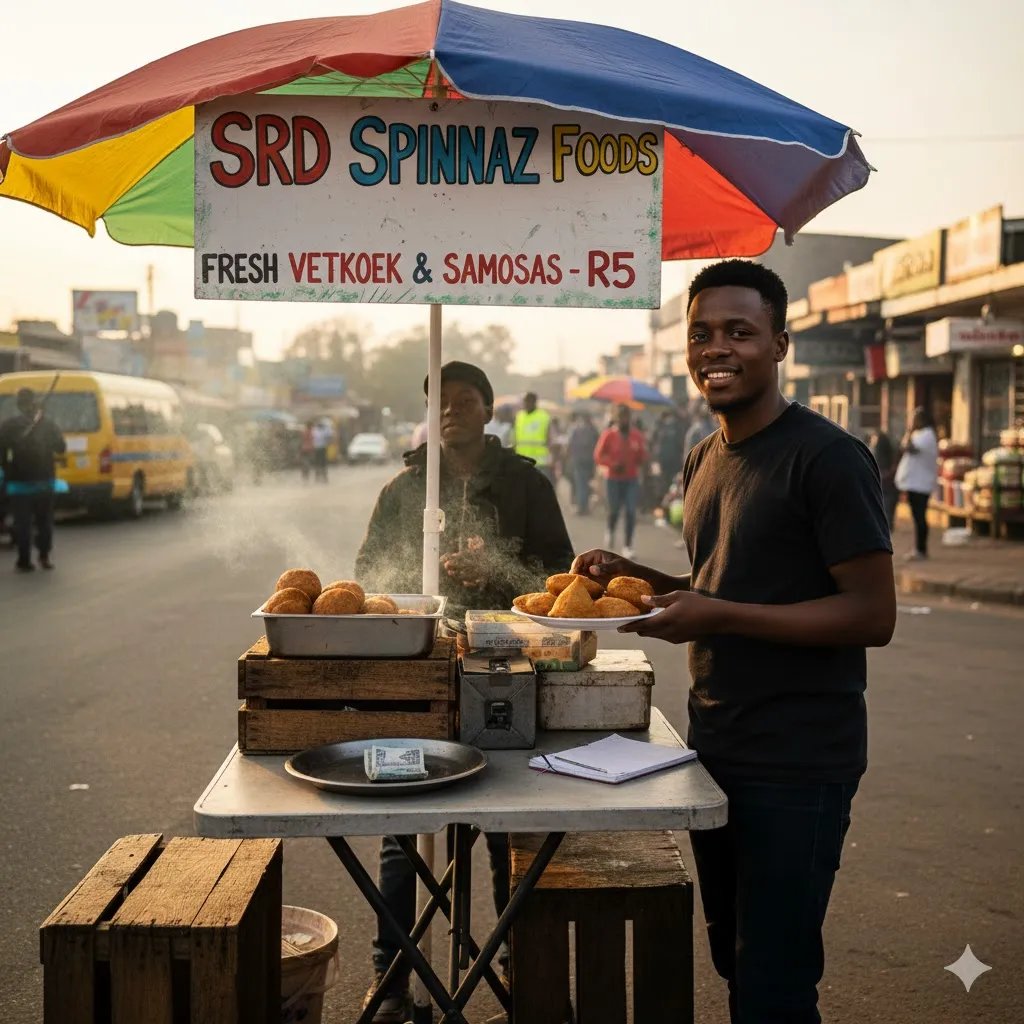
Here are some options with guide and tips that you can follow to start your own business with SRD grant payment.
1. Decide What You Want to Sell
Before spending any money, decide what kind of food or products you want to sell. Some common choices for micro-vendor businesses include:
- Snacks like vetkoek, samosas, or fries
- Drinks like juice, coffee, or tea
- Fresh produce or vegetables
- Homemade meals or sandwiches
Choose items that are affordable to make and have a good local demand. Keep it simple at first. Selling popular items makes it easier to attract customers quickly.
2. Plan Your Budget Carefully
R370 is not a large sum, so careful budgeting is essential. List all the things you will need, such as:
- Ingredients and raw materials
- Cooking or preparation equipment (pots, pans, utensils)
- Plates, cups, or packaging
- Stall setup (table, chair, umbrella)
Set aside a small amount for emergencies. Start with what you can afford. You can gradually expand once your business starts earning.
3. Find a Good Location
Your business location matters a lot. A busy spot with high foot traffic will help you get more customers. Some ideal places for food stalls or micro-vendor businesses include:
- Near taxi ranks or bus stops
- Close to schools or colleges
- Busy street corners in your community
- Local markets or community centers
Make sure your location is legal. Avoid areas where selling without a permit can get you into trouble.
4. Get the Required Permissions
Even small businesses need some legal compliance. Check your local municipality for rules on selling food or running a stall. You may need:
- A health and safety certificate
- A trading permit or vendor license
- Permission from property owners if selling on private land
These steps protect your business and prevent fines. You can usually get these documents at low cost or for free if your business is small.
5. Buy Only What You Need
When you spend SRD money, focus on essentials first. Avoid buying expensive equipment or too much stock. Start with a small number of ingredients that you can sell quickly. This reduces waste and ensures you do not run out of cash before making any profit.
6. Prepare Your Food Safely
Food safety is very important. Make sure your cooking area is clean, and ingredients are fresh. Wash your hands, utensils, and cooking surfaces regularly. Selling safe food builds trust and keeps customers coming back.
7. Market Your Business
Even a small stall needs customers to succeed. You can market your business in simple ways:
- Tell your friends, family, and neighbors
- Use WhatsApp or social media to spread the word
- Offer small discounts or combos to attract first-time buyers
- Display your items neatly to make them look attractive
Word-of-mouth is very effective for small businesses. Once people like your food, they will tell others.
8. Keep Track of Income and Expenses
It is very important to track your money. Write down what you spend on ingredients and equipment, and how much you earn daily. This helps you understand if your business is profitable. Even a small notebook can work.
9. Save and Reinvest Profits
Do not spend all the money you earn immediately. Save a part of your profit. You can reinvest this money to buy more ingredients, expand your menu, or improve your stall setup. Gradual growth is safer than spending all your money at once.
10. Expand Slowly
Once your business starts doing well, you can expand. You may add new products or move to a busier location. You can also hire a helper if needed. Remember, starting small helps you manage risk.


